
Wars and Rumors of War: Conflict’s Influence in the Life of CG Jung with Carolyn Bates
This is a VIRTUAL HYBRID event – Dr. Bates will be presenting via Zoom. While we encourage you to attend this event in person at the Homewood Suites for fellowship and group interaction and discussion, all registrants have the option to join us via Zoom online. Zoom links will be emailed upon registration.
Wars and Rumors of War: Conflict’s Influence in the Life of CG Jung
C.G. Jung was born into a world recovering from the effects of the Franco-Prussian War, the restructuring of empires, and a rising tension between European powers. The Panic of 1873, a major international financial crisis that triggered a years-long global economic depression, had only just ended its acute phase. Jung’s descent into his creative illness occurred at the brink of the outbreak of the Great War, and in the aftermath of World War II, in his essay After the Catastrophe, he emphasized humankind’s need for psychic renewal and symbolic reckoning.
How might the presence and effect of wars have influenced Jung? How might they influence us now? As Europe began its long recovery after WWII, Jung wrote that effective analytic work requires mutual transformation, wherein both practitioner and patient are open to being transformed throughout the process. This necessity for mutual influence reflects how we are never isolates, but rather, we live within, and are affected by, wheels within wheels of personal, cultural, and political dynamics.
This presentation and participant discussion will invite us to explore how the presence and effects of war marked each of these three pivotal moments in his life: his birth, his descent, and his reflections on war. In exploring how war may have influenced Jung’s development and his perspectives, participants will be invited to discuss how, in kind, the presence and effects of war – whether it is an internal, interpersonal, cultural, or international war – are influencing their own lives.
Recommended Reading
Jung, C. G. (1960). After the catastrophe. In G. Adler & R. F. C. Hull (Eds. & Trans.), The collected works of C. G. Jung (Vol. 10, pp. 199–215): Civilization in transition. Princeton University Press. (Original work published 1945)
Readings of Interest
Hillman, J. (2004). A terrible love of war. Penguin Books.
Stevens, A. (1989). The Roots of War: A Jungian Perspective. Paragon House: New York.
Winter, J. (2006). Dreams of Peace and War: Europe 1914–1945. Yale University Press.
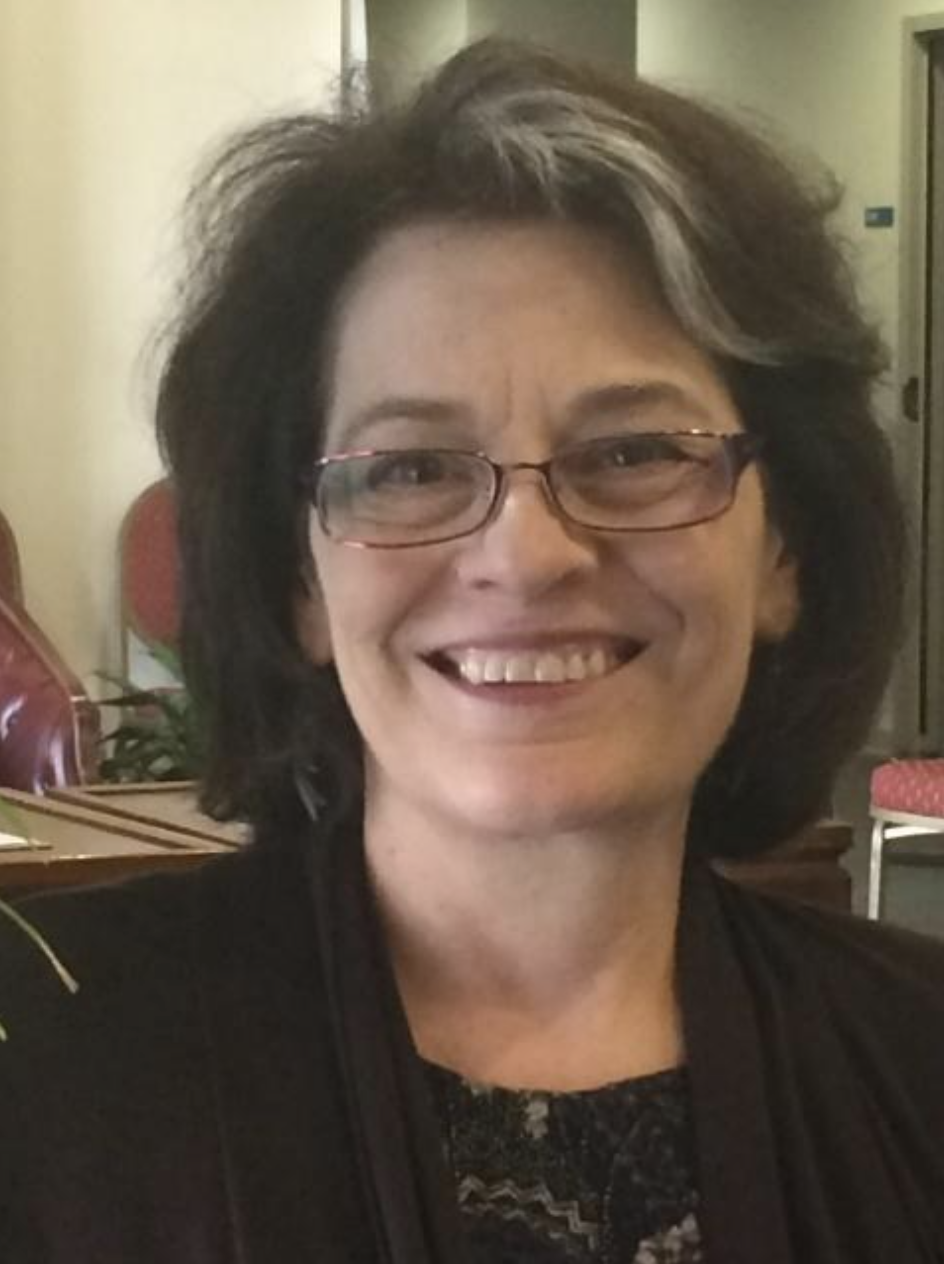
CAROLYN BATES
Carolyn Bates is a psychologist and senior training analyst with the Inter-Regional Society of Jungian Analysts. She has served on the Executive Committees of both the Texas Seminar and the IRSJA and currently serves as the North American Co-Editor-in-Chief of the Journal of Analytical Psychology (https://thejap.org). She practices in Austin, where she offers case consultation to mental health professionals and trainees. Over the last three decades she has presented both nationally and internationally on ethics and treatment boundaries, technology’s influence within the collective, the phenomena of synchronicity and collective trauma, the reconsideration of myth through the lens of feminist politics, the socio-political dynamics of patriarchy and the epidemic of gun violence in the United States. While she has set aside an avid motorcycling passion for the more grounded practice of permaculture gardening, she continues to support motorcycle safety and awareness, with a keen appreciation for the archetypal nature of the mechanical horse.
- Jan 24 2026
- Expired!
- 10:00 am - 12:00 pm
Cost
- FREE for Members / $30 Non-Members
- Lecture,
- Online Zoom

- 3470 Fruitville Rd, Sarasota, FL 34237
Category
Speaker
-
Carolyn Bates
Carolyn Bates is a psychologist and senior training analyst with the Inter-Regional Society of Jungian Analysts. She has served on the Executive Committees of both the Texas Seminar and the IRSJA and currently serves as the North American Co-Editor-in-Chief of the Journal of Analytical Psychology (https://thejap.org). She practices in Austin, where she offers case consultation to mental health professionals and trainees. Over the last three decades she has presented both nationally and internationally on ethics and treatment boundaries, technology’s influence within the collective, the phenomena of synchronicity and collective trauma, the reconsideration of myth through the lens of feminist politics, the socio-political dynamics of patriarchy and the epidemic of gun violence in the United States. While she has set aside an avid motorcycling passion for the more grounded practice of permaculture gardening, she continues to support motorcycle safety and awareness, with a keen appreciation for the archetypal nature of the mechanical horse.